The Ashnoor Mustard Oil Standard
A practical manifesto for what belongs in a serious bottle of kachi ghani mustard oil: good seed, disciplined handling, clean filtration, truthful labelling and flavour that still speaks.
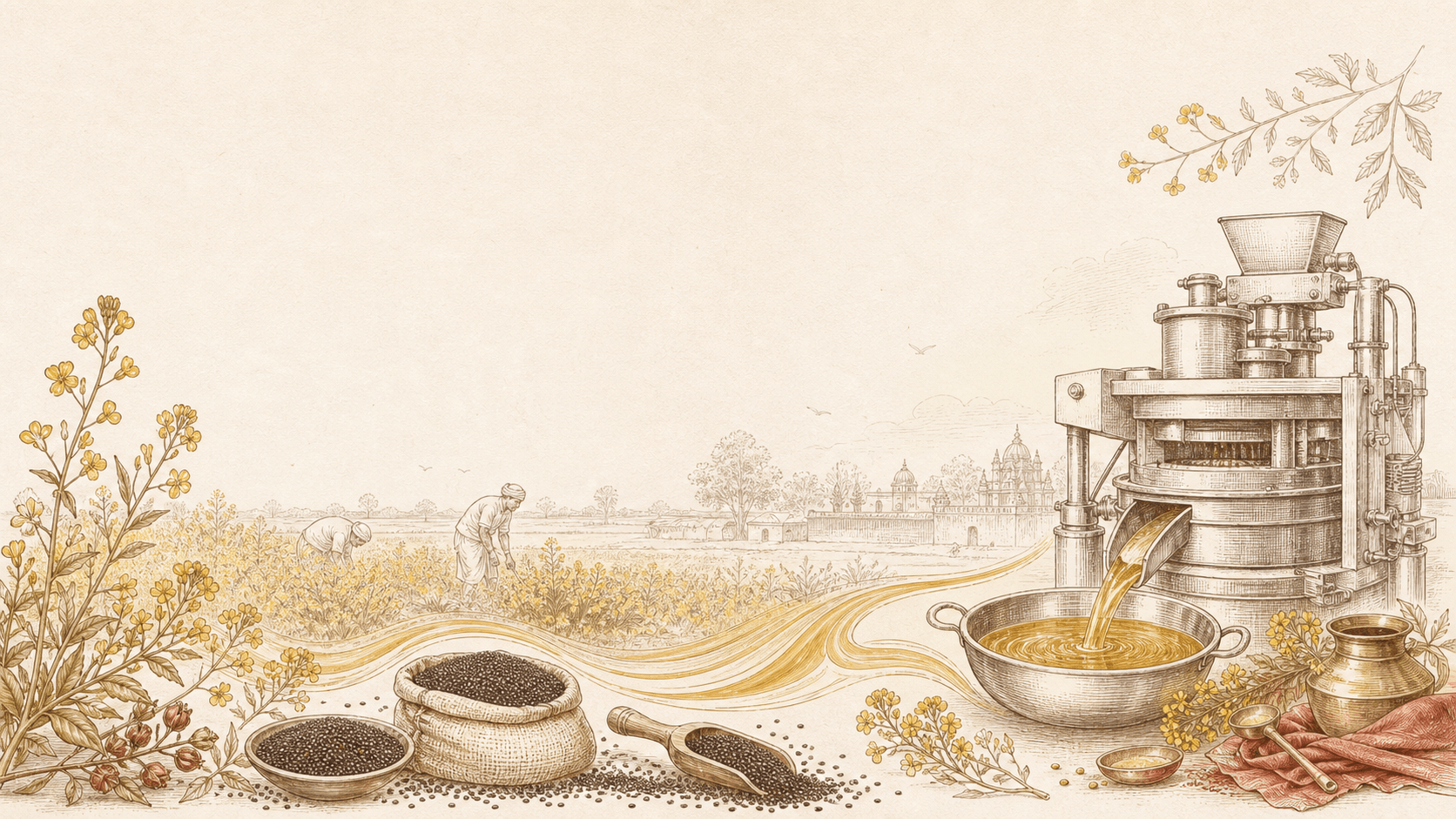
Field notes, kitchen science and long conversations from India’s mustard heartland — written slowly, like good oil is handled.
खेत से रसोई तक — हर बूँद की कहानी।
This library exists because a mustard oil brand owes its kitchens more than advertising. It owes them answers. How to tell a real kachi ghani from a quiet imitation. What the label actually promises. Why the bite matters, why the fields turn gold in January, and what a grandmother in Amritsar knows that a laboratory is still catching up to.
So we write the way serious food writing should work: without shortcuts, without additives, and never louder than the facts allow. Every claim is reviewed against standards, label discipline and sensible kitchen practice before it is published. Where the honest answer is “it depends” or “no oil can do that,” we print exactly that.
A practical manifesto for what belongs in a serious bottle of kachi ghani mustard oil: good seed, disciplined handling, clean filtration, truthful labelling and flavour that still speaks.
Every oilseed has a second story after extraction: mustard cake, dairy sheds and the old circular economy of the mustard belt.
Before non-stick was sold, it was earned. How generations of Indian kitchens seasoned their iron kadhais with mustard oil — and how to raise a pan that improves every year.
Humidity is the quietest thief in the Indian kitchen. How to defend the oil bottle, the achaar jar and the spice box between June and September.
Mohan Lal has spent three decades around mustard oil counters, mandi lots and quality rooms. He judges a bottle before most people finish reading the front label.
Half the words on an oil label are regulated. The other half are vibes. A working glossary for the mustard oil aisle, with honest notes on which is which.
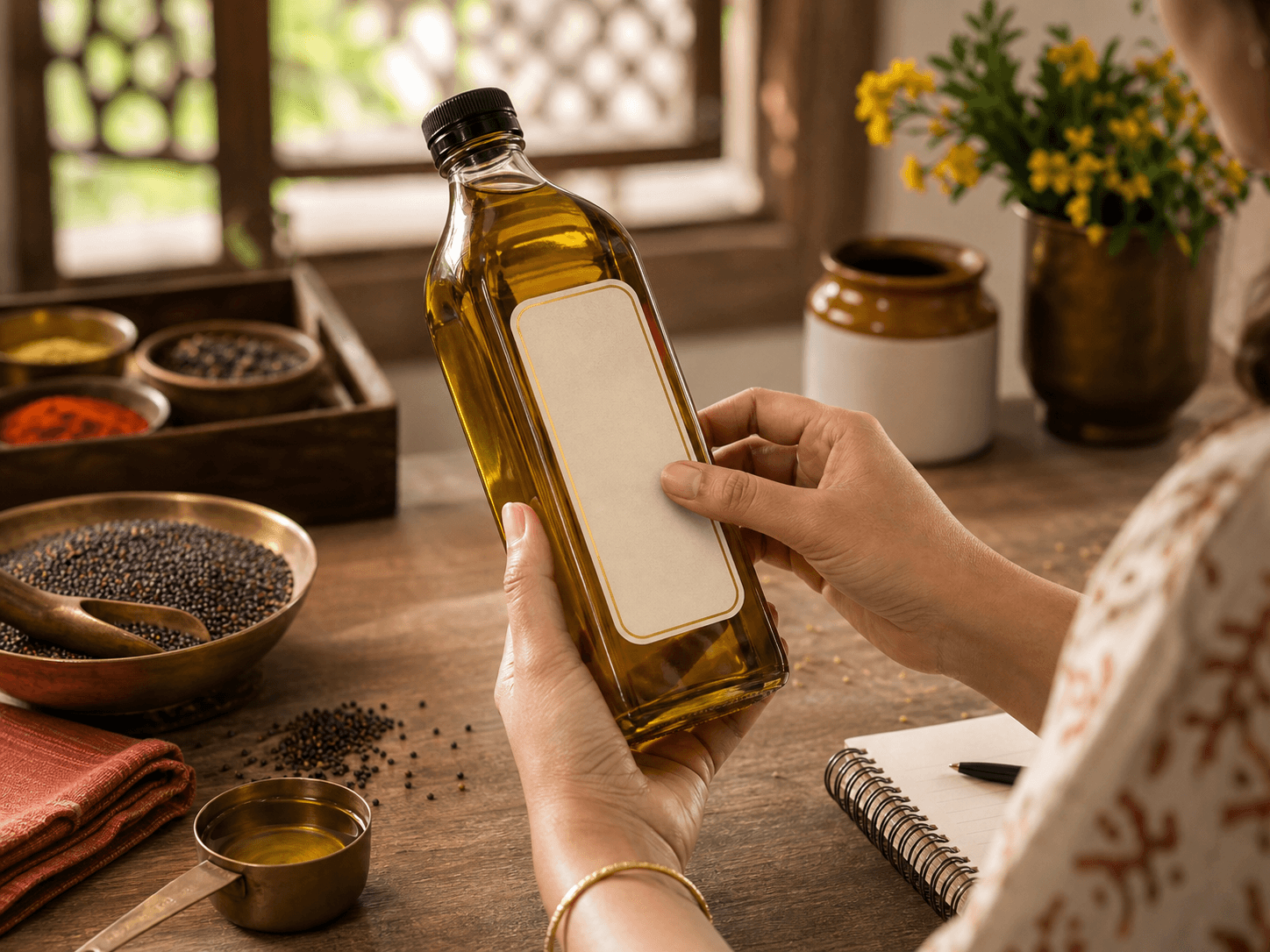
The front of a pack sells the dream. The back of the pack tells you the discipline. Here is a simple buyer's guide for choosing mustard oil with more confidence.
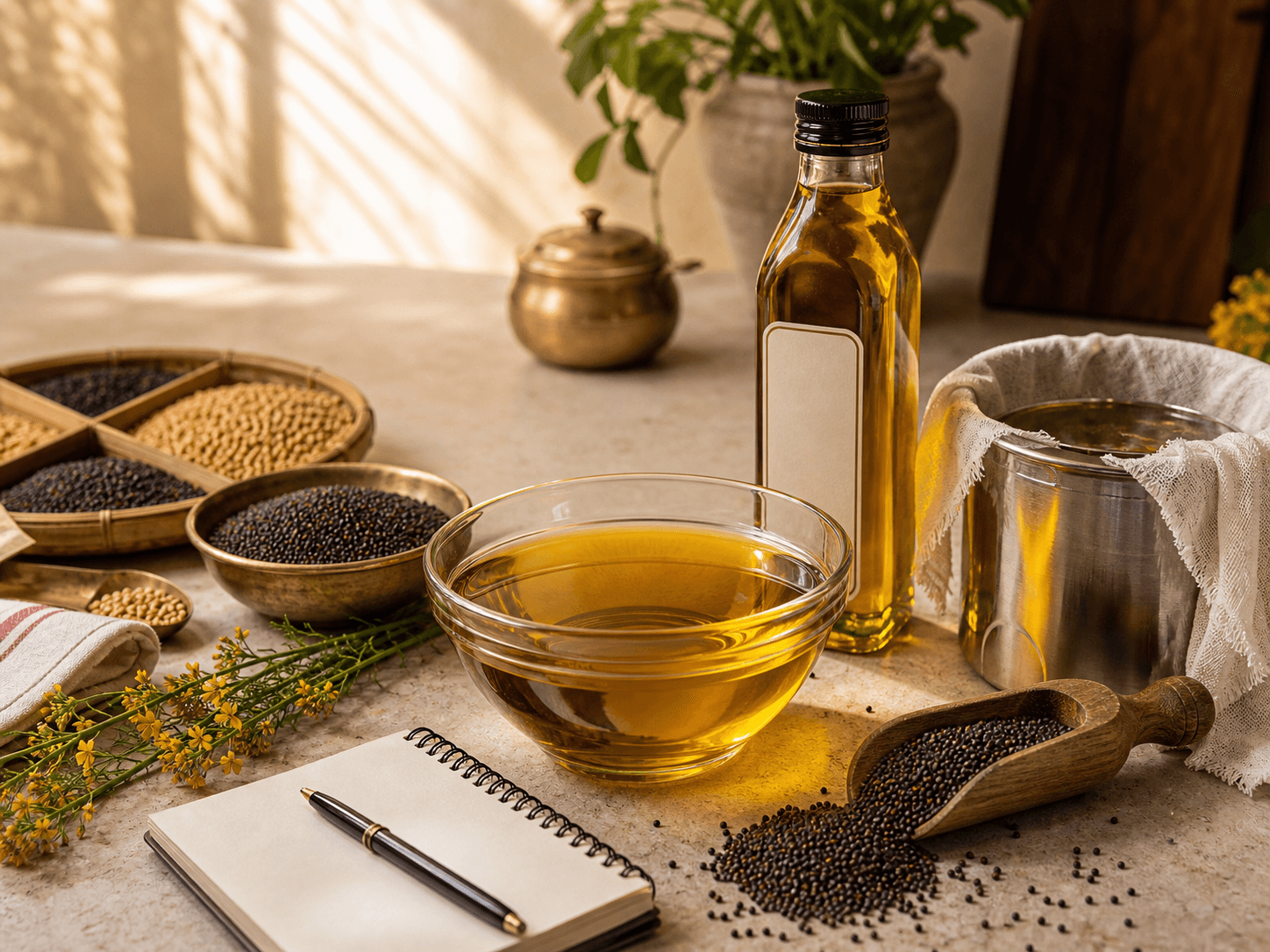
A clear, kitchen-first explanation of pressing, aroma, filtration and why some dishes ask for an oil with character instead of a silent cooking medium.
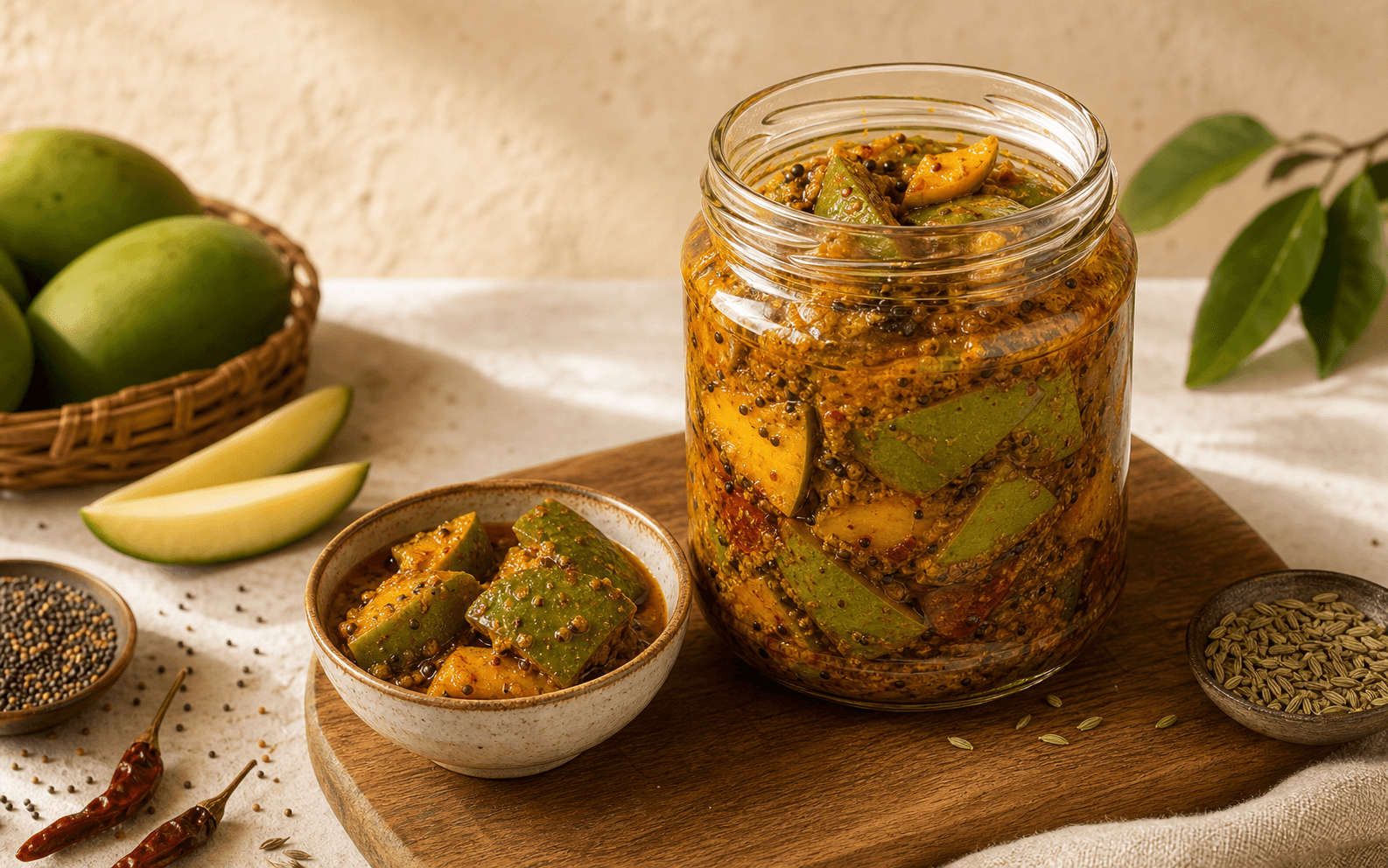
The pickle jar is a masterclass in Indian ingredient logic: salt, sun, spice and a pungent golden oil that carries flavour through the season.
Indian cooks do not need a thermometer for every meal. They need to know shimmer, aroma, smoke and the moment to lower the flame.
A reader asked why a serious bottle costs more than the offer bin. Fair question. Here is the arithmetic of seed, handling, testing and how a too-cheap litre becomes possible.
Before moisturiser had a shelf, India had the winter malish. What the mustard oil rub honestly does for skin and circulation — and the care it asks for with babies.
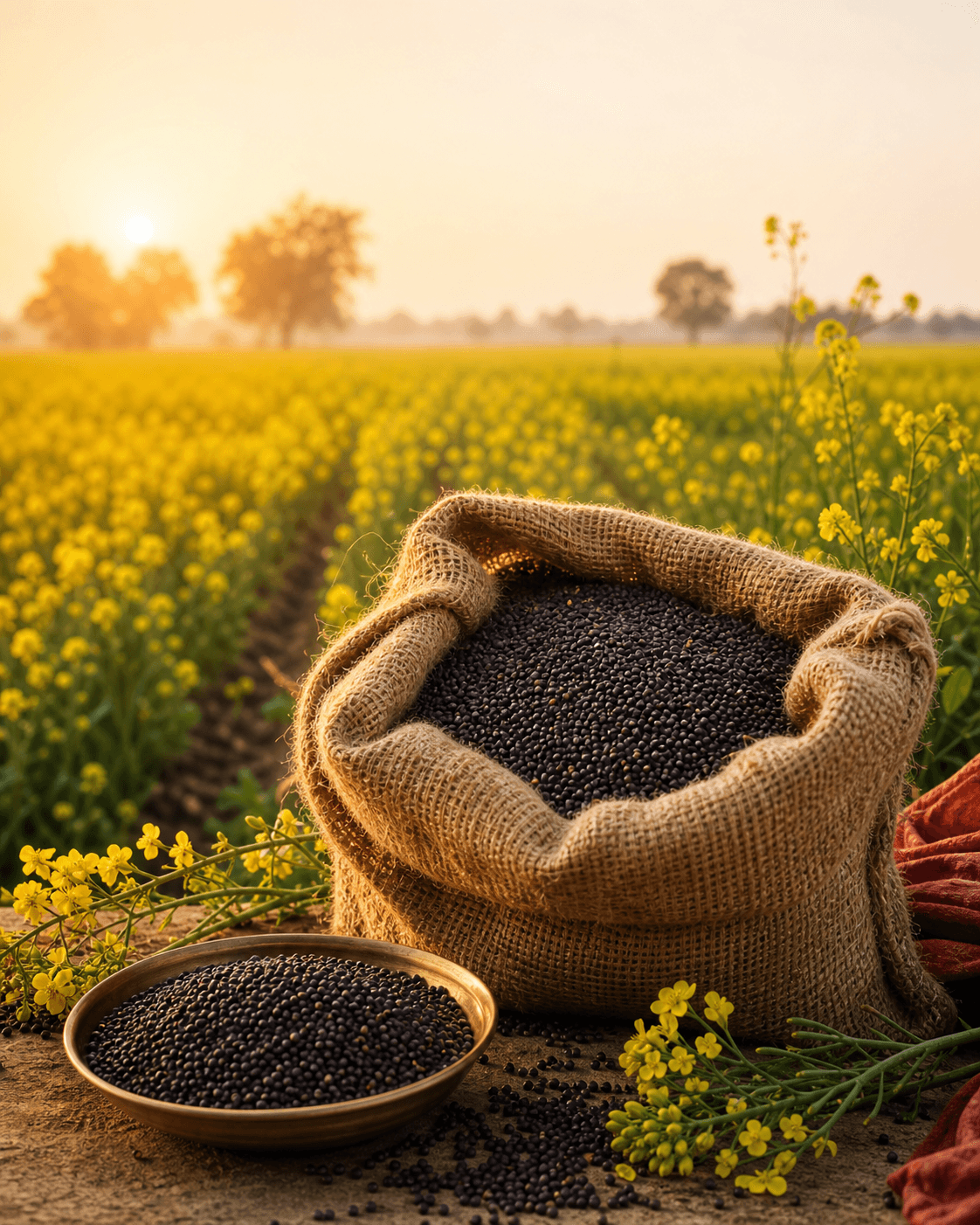
Every January the fields of the mustard belt turn the colour of turmeric, and the calendar answers with a festival dressed in yellow. Crop and culture, blooming together.
Five a.m., forty trolleys of sarson, one auctioneer with a brass scoop. A field diary on how serious buyers judge a mustard seed lot.
The pakoras are done and half a kadhai of oil remains. Pour it back? Fry again? Throw it out? A clear-headed guide to reusing frying oil without regret.
The most Indian thing about mustard oil is how often it leaves the kitchen. Lamps, wedding pastes, winter lips, stubborn hinges — a tour of the bottle's other careers.
When the fields flower in January, the beekeepers arrive by truck. On the pale, fast-setting honey of the mustard belt — and why the bees are good for the oil too.
Adulteration is the first fear of every mustard oil buyer. Five simple checks you can run in your own kitchen — no lab, no equipment, just a fridge, your palm and your nose.
Half of India grew up with a Sunday head massage. What mustard oil can honestly do for hair — and the claims it was never meant to carry.
Om Prakash has sold cooking oil from the same eight-foot counter since 1986. A conversation about drums, funnels, seals — and why trust is the only stock that never expires.
Sarson, rai, shorshe, kadugu — India speaks of mustard in a dozen tongues. A short field guide to the seed family behind the golden bottle.
Oil rarely goes bad in the bottle you bought. It goes bad in the way you keep it. Light, air, heat — and the case for finishing small bottles fast.
In most of India, mustard oil is the medium. In Bengal it is also the message — oil, paste and kasundi, three forms of one fierce culinary loyalty.
The small +F on your bottle is one of public health's quietest programmes. What fortified oil means, what it changes in your kitchen, and what it doesn't.
The quiet checks behind a trustworthy mustard oil pack: seed condition, aroma, filtration judgement, labels, seals and storage.
That sharp note that rises off the karahi — it is not a flaw. It is a feature. A primer on allyl isothiocyanate, the molecule that defines kachi ghani.
Bibiji Surinder Kaur, 84, has bought mustard oil every Tuesday for sixty years. A long conversation about memory, kitchens and what a good bottle should never lose.
Most of what you have been told about cooking oil and smoke is half-right. Here is what actually matters — and why it has been overstated.
A photo essay tracing the visible checks a buyer should expect: crop season, quality notes, label clarity, pack condition and shelf readiness.
The Sunday oil massage is older than recorded recipe. New work suggests it is also chemistry — vitamin E, omega ratios, antimicrobials.
तेल देखो, तेल की धार देखो।
Watch the oil. Watch the way it pours.
Every kitchen inherits a few half-truths with its utensils. Turn a tile in the hive — its sach opens alongside, checked against standards, labels and kitchen sense.
“Dark colour means the oil is impure.”
Sach · The truthColour comes from seed variety, season, filtration and processing style. Judge an oil by its aroma, its pour, its label and its freshness, never by shade alone.
For the careful buyer. Test it, read it, store it, verify it.
For the curious cook. The chemistry your grandmother already knew.
For a long afternoon. Fields, ledgers, labels and grandmothers.
Not a content farm. A quality desk, a test kitchen and a culture desk — each writing from work they understand.
The house voice — standards, manifestos and the promises we print.
Audits every claim before it reaches a page — or a label.
Files on seed handling, settling, filtration and pack discipline.
Cooks everything twice before it is written once.
Long interviews, old ledgers and the people behind the counter.
Writes about label checks, freshness, storage and the home tests that matter.
Where the crop meets the calendar — festivals, fields and cinema.
Keeper of the pickle jar and the family methods that fill it.
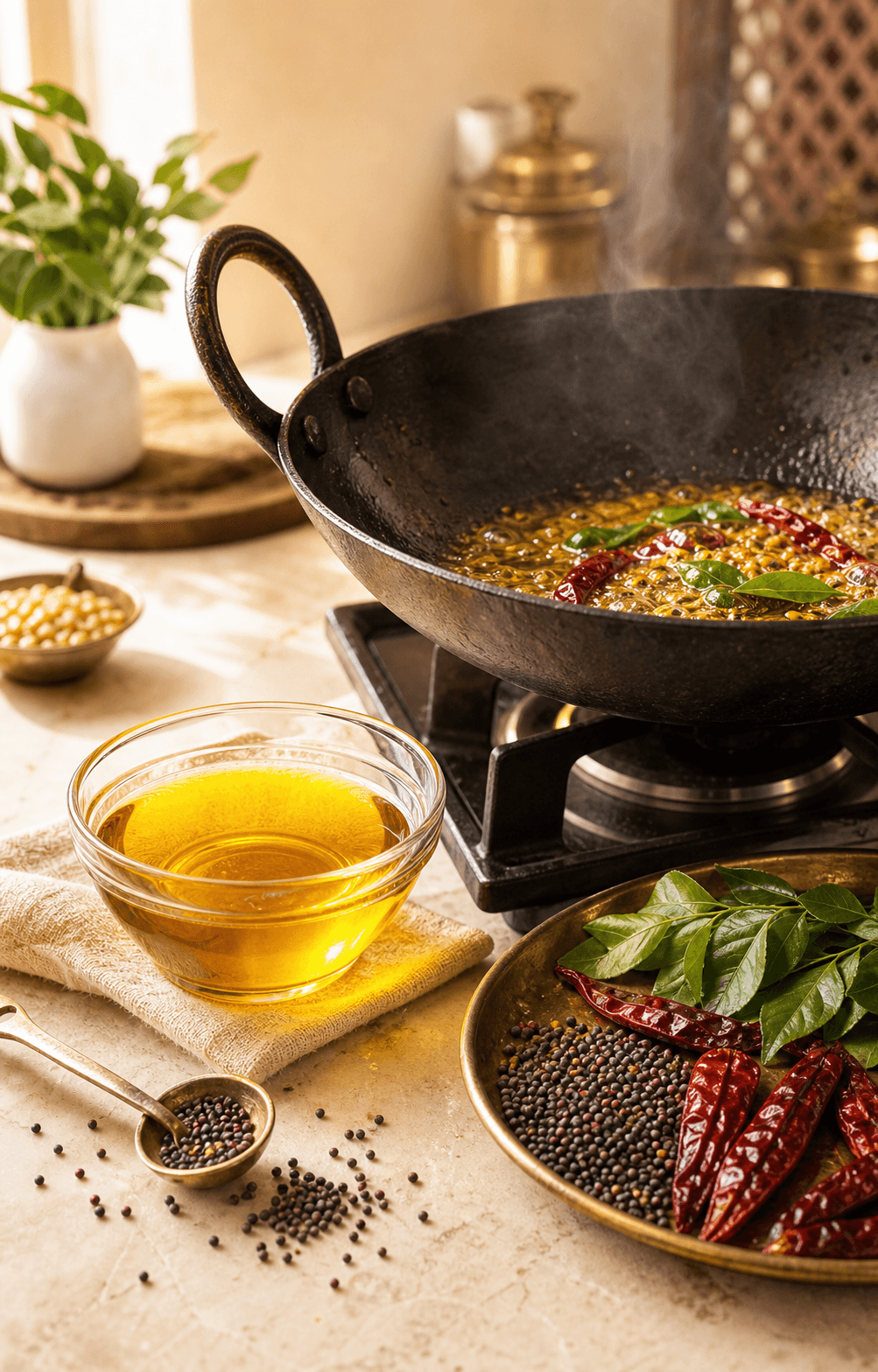
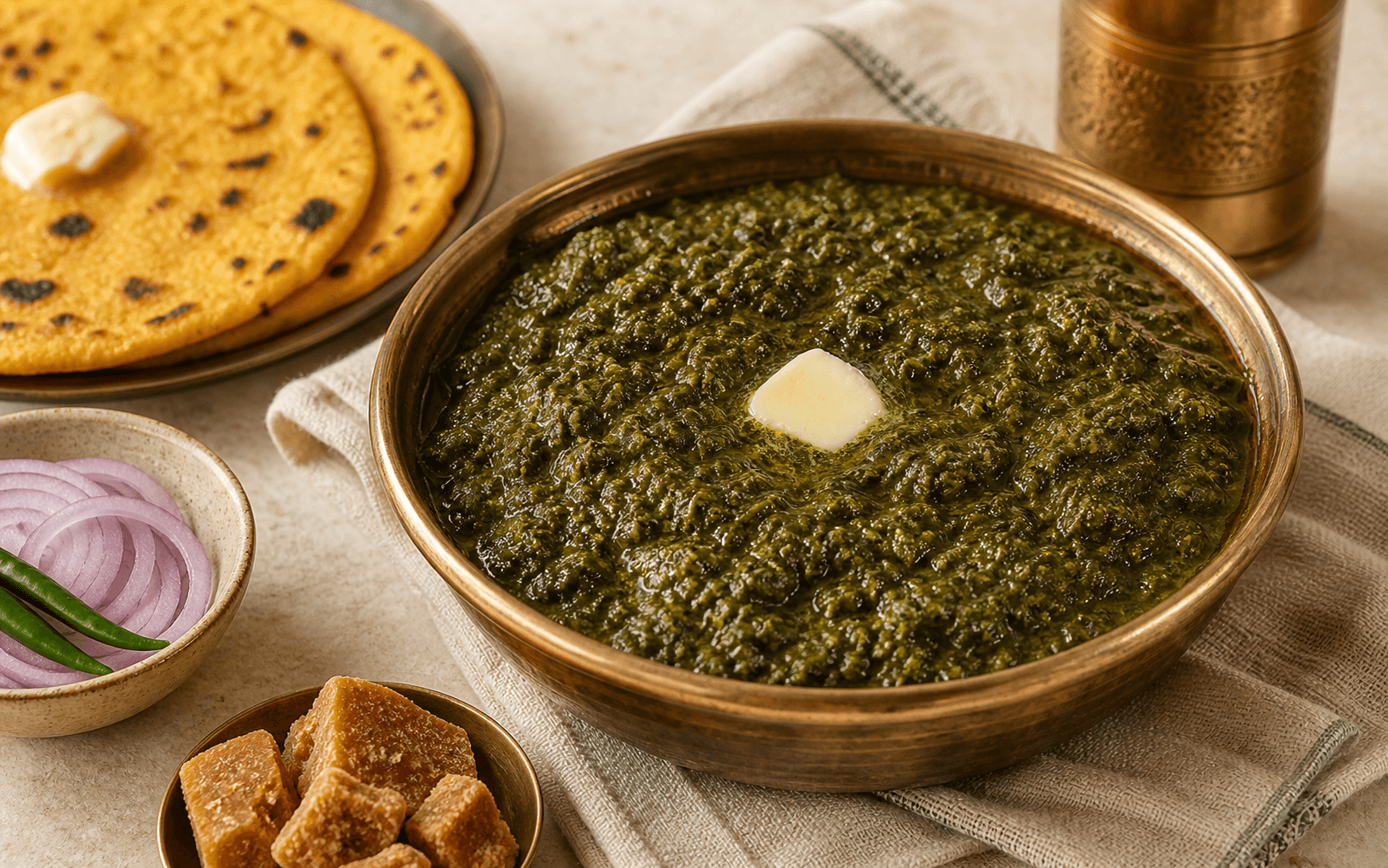
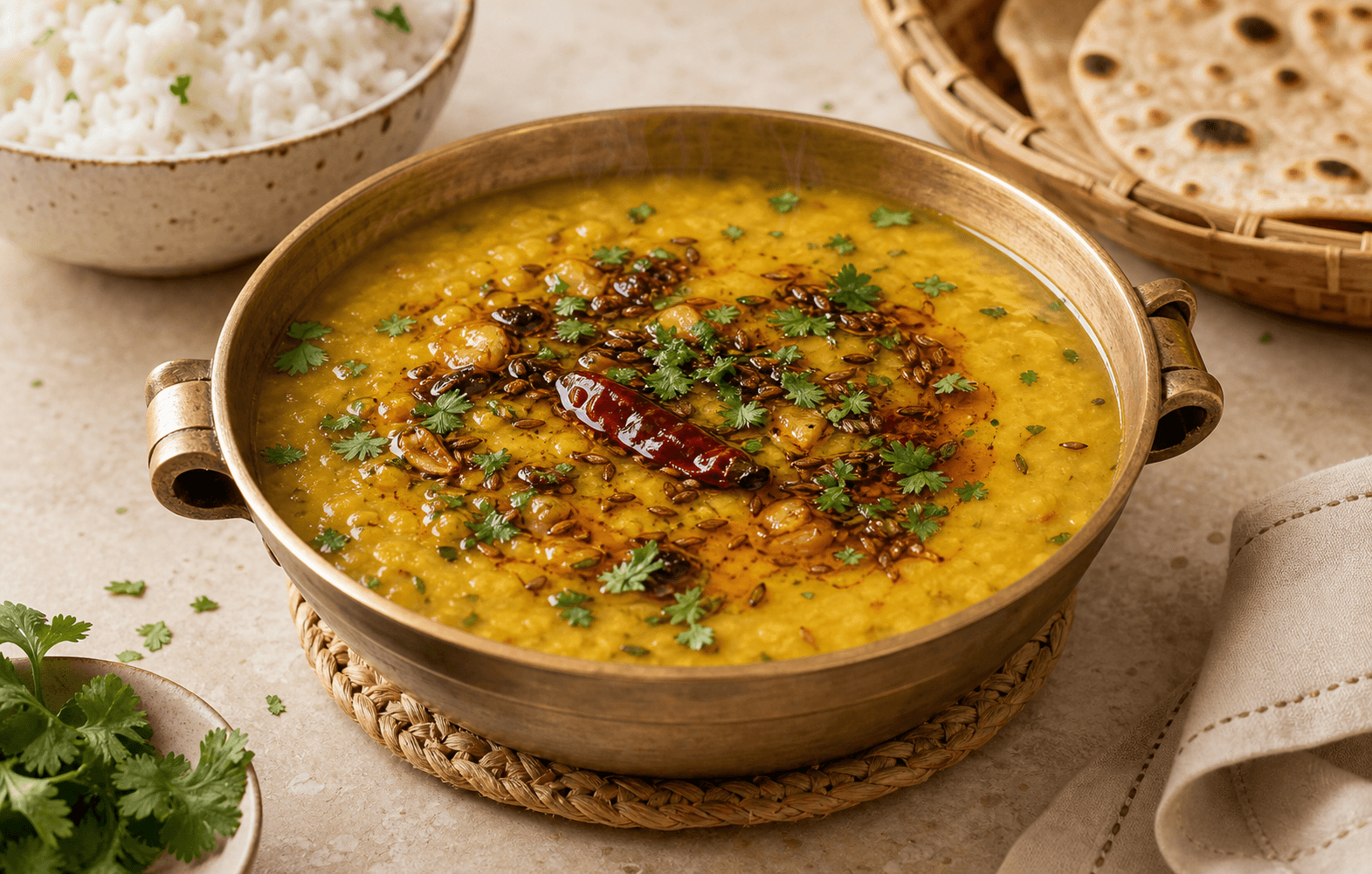
Every idea on this page eventually has to survive a hot kadhai. Eighteen vegetarian recipes — saag, achaar, tadka, chokha — sit next door, each built around the moment the mustard oil enters the dish.
Open the Recipe LibraryNo marketing. No discount codes. Just one piece of writing every two weeks — recipes, process notes, label guides and conversations with the people who taught us how mustard oil belongs in food.